
How to Create Your First Invoice as a Freelancer in Spain
Practical guide to creating your first invoice as a freelancer in Spain: VAT, income tax, and tips to get paid with ease.
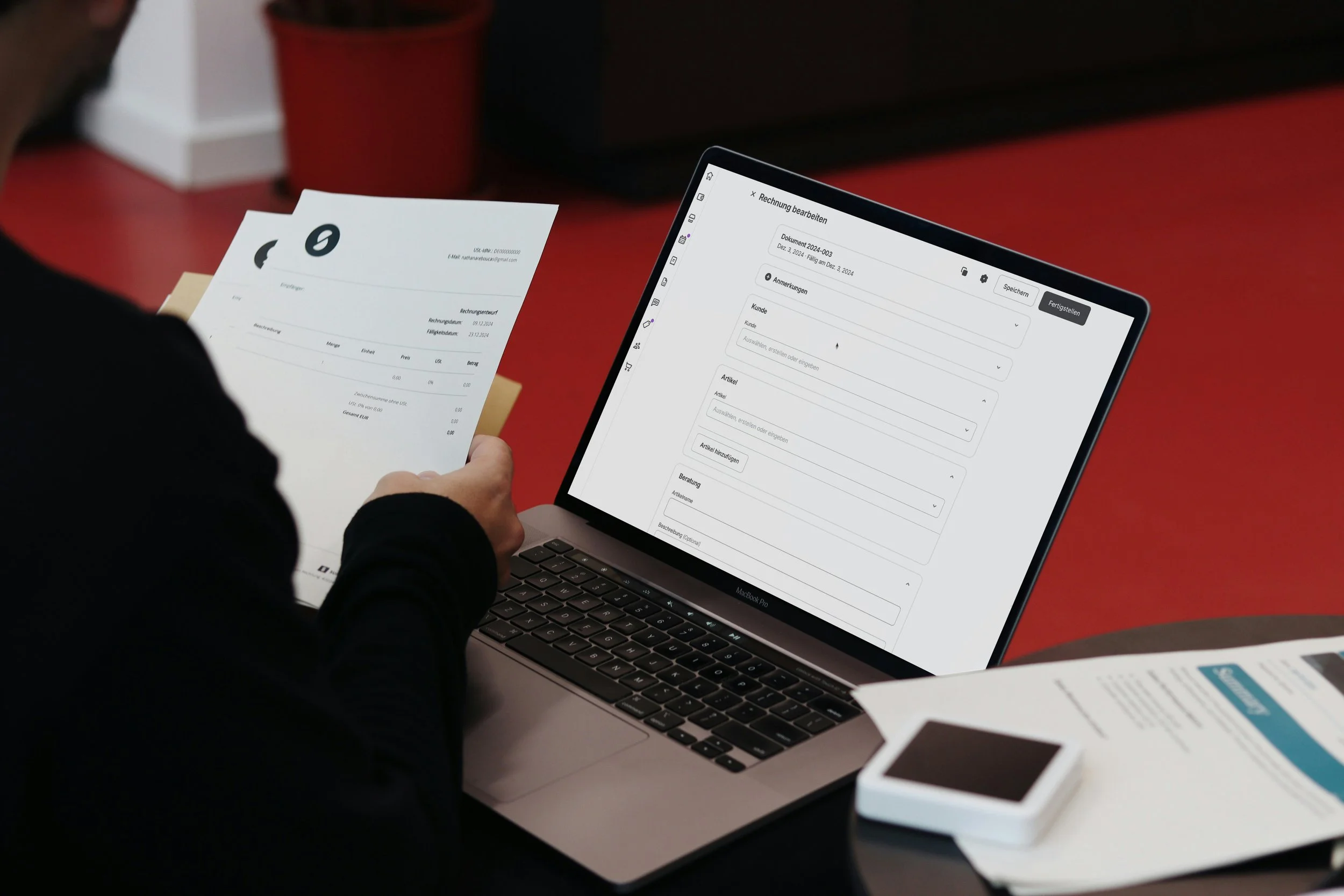
Sending your first invoice in Spain? It sounds simple... until it isn't. Suddenly you're reading about tax breakdowns, invoice sequencing, and wondering if your Google Doc counts as "legal." Been there.
The good news? It’s not as scary as it sounds once you understand the basics. And trust me — once you send that first invoice correctly, the next ones feel way easier.
What Your Invoice Actually Needs (Legally Speaking)
Spain has rules. Like, actual legal ones. But they’re doable. Here's what needs to be on your invoice:
• Your full name and NIF/NIE
• Your business or home address
• Client’s name and their tax ID (CIF, NIF, or VAT)
• A unique, sequential invoice number (super important — no skipping!)
• The date the invoice was issued
• A short but clear description of what you did
• Your rate (before taxes)
• IVA (Value Added Tax), if applicable
• IRPF (retention), if applicable
• Total amount due (after taxes)
And make sure to add your payment method — IBAN, Wise, Stripe link — plus how long they’ve got to pay you (15 days, 30, etc.).
About Those Invoice Numbers
You can't just wing it. Spain requires each invoice to be sequential and unique. It doesn’t need to be complicated, though:
Examples:
2025-001
INV-002
BrandingClient-003
Once you pick a format, stick with it for the full year — no skipping or backtracking.
What’s the Deal with IVA and IRPF?
This part throws a lot of people off. Let’s make it digestible:
IVA (VAT)
In most freelance scenarios, you’re charging 21% IVA to Spanish or EU clients.
But — you might not need to include IVA if:
You’re invoicing someone outside the EU
Your activity is IVA-exempt (some education or medical services, for example)
You’re under the “recargo de equivalencia” regime (rare, but exists)
IRPF (Retention)
If you’re invoicing a Spanish business or professional, you may have to withhold 15% of your fee (IRPF) — basically, it’s a prepayment toward your income tax.
You usually skip IRPF if:
Your client’s outside Spain
You’re brand new and not registered to withhold IRPF yet
How to Make Invoices Without Losing Your Mind
You could use Word or Excel. Or you could save yourself hours and use something built for this.
Here are a few tools I use or recommend:
Declarando – good if you also want tax filings handled
Holded – beautiful, easy to use, great as your business grows
FacturaDirecta – simple and built for Spanish freelancers
Stripe or Dubsado – if you want invoicing + automatic payment
Google Docs – fine for now-and-then invoices, but not great long-term
I’ve got a basic invoice template in Google Docs I often share with clients — nothing fancy, but it gets the job done. Just message me if you want a copy.
A Realistic Sample Invoice
Want a downloadable version of this invoice layout? I've created a simple, editable Google Docs template you can copy and start using right away.
👉 Click here to download the free invoice template
Want to Stop Manually Making Facturas Every Month?
If you're tired of copy-pasting your info into a PDF every time or second-guessing if you're charging the right tax — let's clean it up.
👉 Contact us and we’ll:
Set up an invoicing system that doesn’t eat your whole afternoon
Pick a tool that fits your business (not just the one that’s trending)
Make sure clients pay you easily and on time (yes, it’s possible)
You don’t need to be a tax expert — you just need a system that works for you.